


Global Health Summer School 2025
Linking Climate Justice, Health and Peace
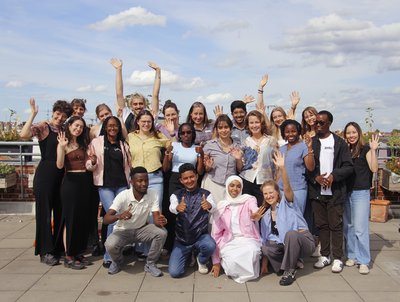
The 2025 summer school explored the connections between violence, climate justice and health equity. We employed a decolonial and intersectional approach and engaged in multidisciplinary analysis of some structural causes of the climate crisis. We tried to envision alternatives and solutions grounded in practices of solidarity and empowerment.
This summer school did not focus on the impacts of climate change on human health per se. We placed our analysis within a framework of decolonial and intersectional critiques that identifies the climate crisis as one symptom of a centuries-old system of exploitation, in which the lives of some have always held more value than the lives of many. We asked what that means for global health institutions and global health research. How are health systems affected by the climate crisis and how can they contribute to solutions that are emancipatory? What can we learn from communities that are building structures of resistance and solidarity in the face of destruction and violence? We explored what all that means for our health work or our activism, individually and as a group.
During the summer school, researchers, activists and health professionals from different backgrounds were invited to share their expertise and strategies. Case studies and projects, included as peer-to-peer learning in the form of participants workshops, were at the heart of the programme. We believe in a process-oriented approach to learning and therefore found it important to create space for reflection, group processes and a learning experience that builds on curiosity and respect for each other’s perspectives. We were particularly happy to have such a perspective-rich cohort and for having been able to invite international students, particularly from Kenya, Zambia and Nepal, to the summer school as a result of a collaboration with Charité Berlin and IPPNW partner sections.
For more information, please see what our participants say below. Or have a look at the programme and the focus text.
Participant Voices 2025
Read what participants had to say
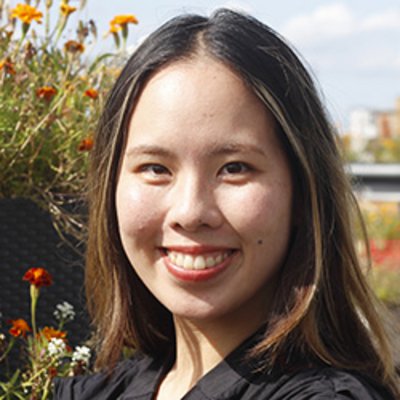
Attending this summer school gave me an opportunity to see climate change and health from so many perspectives I had never explored. It was one of the most intensive weeks I had, and at the same time, one of the most wonderful weeks I had. Not only was I able to learn various insights from many inspiring lectures and participatory exercises, but I was also able to make meaningful connections - many young students with positive energy towards climate change. This youth engagement has given me motivation and made me believe that together, we can make this world a better place. I feel super grateful to have been part of this experience!
Minami - student of Public Health at Hamburg University of Applied Science
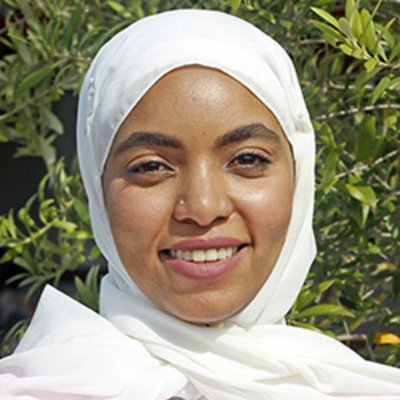
The Global Health Summer School was a fascinating experience that went far beyond expectations. Intellectually, I have broadened my understanding of the interconnected challenges of health, climate, and equity worldwide. Speakers and activists shared living experiences of solidarity and empowerment from marginalized communities across different parts of the world, which felt like opening gates to the entire globe. Practically, the workshops provided us space to reflect, collaborate, and critically analyse the decolonization concept in shaping climate justice, health equity, and global health research. The most captivating workshop was on storytelling in ecological destruction and collective resilience. It was the first time I truly appreciated how social and cultural perspectives can enrich research in ways that data alone often cannot. Personally, I met inspiring people from diverse fields and countries, whose passion and dedication were truly motivating. I feel truly inspired, and I am grateful for the opportunity that brought us together to connect with empathy, respect, and shared purpose, leaving me with lasting impressions that will positively shape my future and career.
Alaa - student of Public Health at Hamburg University of Applied Sciences
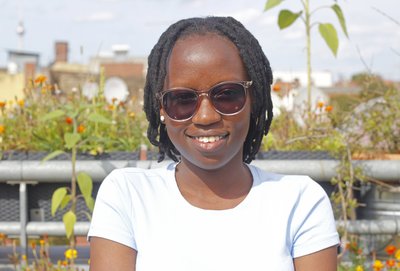
IPPNW's summer school was a journey that changed me. The sessions on global health, peace, and climate change were a real wake-up call, especially seeing how these issues are intertwined and affect regions like Africa. My presentation on African problems being solved by African people seemed to resonate with everyone. But beyond the formal sessions, the people I met—a diverse group of passionate individuals—made the experience unforgettable. The conversations we shared, the ideas we debated, and the friendships we formed were just as impactful as the curriculum. The most powerful moment was walking through Berlin with an Iranian immigrant who shared her story. It was a reminder that behind every global issue is a human story of hope and resilience. Thanks for bringing us all together for this vital mission.
Yvonne - student of Medicine at the University of Nairobi
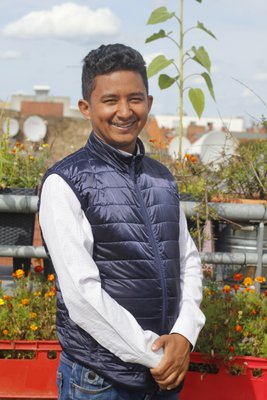
The Global Health Summer School 2025 was a truly productive and mind-changing experience for me. As a participant from Nepal, the world’s fourth most vulnerable country to the climate crisis, I gained insightful knowledge on how issues like militarism, colonialism, capitalism, and colonial health intersect with the climate emergency. Learning to fight for climate justice alongside speakers from diverse backgrounds was fascinating, and understanding the perspectives of representatives from around the world was an invaluable opportunity. Coming from a simple classroom setting in Nepal to the dynamic, practical learning environment of the summer school transformed the way I think, communicate, and share knowledge. The program created a powerful platform to connect young medicos and activists globally. Learning about their ways of thinking, problem-solving, expressing ideas, and building connections was truly mind-blowing.
Dr. Puspa Raj Bham - Physicians for Social Responsibility, Nepal